Consideration of Material Factors in Product Packaging Printing Design
(1) Functional
Functionality refers to the effectiveness and beneficial effects that product packaging design materials can exert, and is the most important factor in selecting materials for product packaging design. Protect or preserve the product through packaging, and then showcase the quality, specifications, functionality, and price range of the product. The more accurately packaging design reflects its essence and quality characteristics, the more it can attract customers. For consumers, product packaging is like a silent salesman, conveying information related to the product to them. Designers should pay attention to selecting appropriate materials based on the natural properties of the product to showcase its functionality.
(2) Economic viability
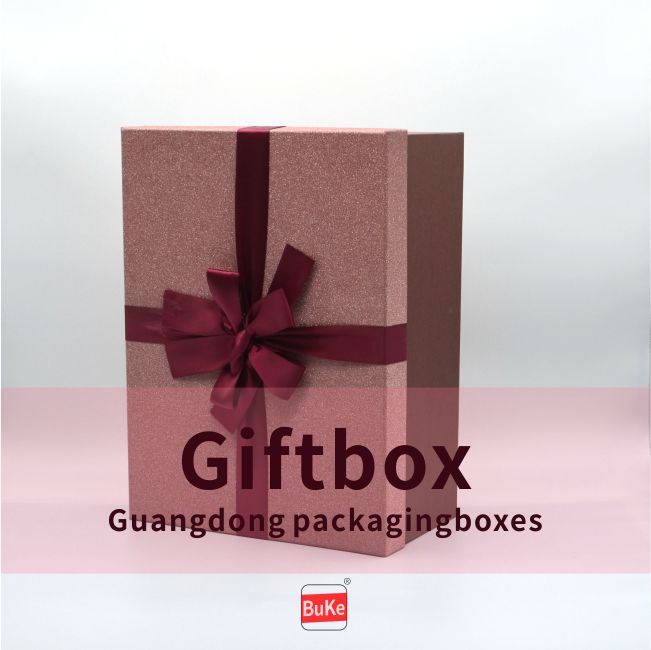
Economy refers to the level of resource rationality and cost savings consumed in product packaging design. In contemporary society, the added value of packaging design is increasingly reflected in the value of goods. As a result, various complex, cumbersome forms, and luxurious materials of excessive packaging have emerged, leading to the abnormal development of packaging design. The widely criticized issue of excessive packaging of mooncakes in China is a typical case. The excessive packaging of mooncake gift boxes has allowed sky high priced mooncakes to enter the market, and has also made mooncakes, a traditional Chinese food, far away from ordinary people. In addition, excessive packaging causes huge waste of resources, and discarded packaging can also cause serious pollution to the environment. According to relevant departments' statistics, the volume of packaging waste currently accounts for over 50% of solid waste. In order to eliminate the stubborn problem of excessive packaging of goods, relevant national departments have implemented the "Requirements for Restricting Excessive Packaging of Goods - Food and Cosmetics" since April 1, 2010, guiding and restricting the economy of packaging from a regulatory perspective. Whether considering policies and regulations, cost savings, and ease of sales, packaging design should extract relatively affordable materials based on the needs of different product characteristics
3) Environmental friendliness
Environmental friendliness refers to whether packaging materials will cause pollution to the natural environment during the manufacturing and consumption process. Environmental degradation has become one of the most severe problems worldwide, and the era of mandatory environmental protection has arrived. Whether it is environmentally friendly has become an important factor in evaluating the quality of packaging design. Try to use biodegradable low-carbon, recyclable and new nano materials for packaging, which comply with environmental standards and also regulate the trend of the times. In the initial stage of design, it is necessary to consider reducing resource consumption and also pay attention to issues such as disassembly and recycling. For a packaging design product, the material types should not be too complex and should be easy to disassemble. At present, the extraction of environmentally friendly materials can consider more renewable paper, biodegradable plastics, and reusable metals. The popularity of MUJ (MUJ) among consumers in Japan is closely related to its "environmental protection" concept.
(4) Aesthetics
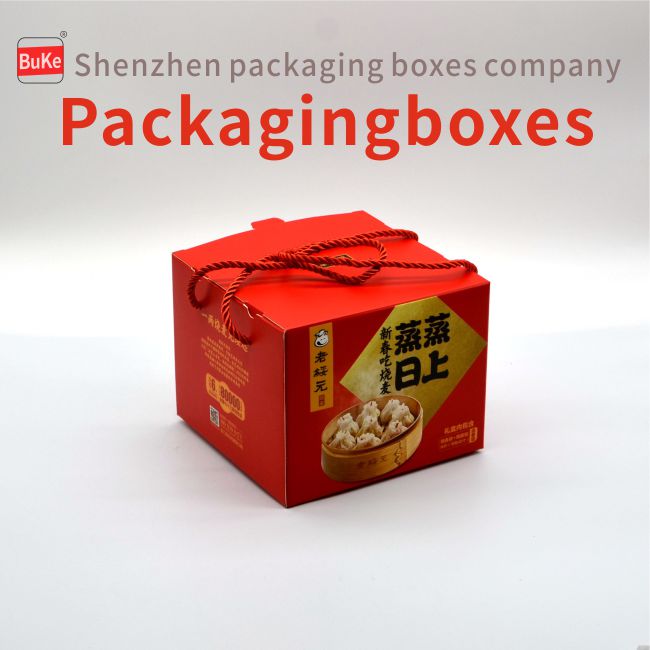
Aesthetics refers to the artistic techniques and methods used to shape, color, proportion, and match packaging materials, showcasing their unique artistic charm. It can have an advertising and promotional effect on products, and create emotional resonance, giving people a beautiful artistic enjoyment, playing a subtle aesthetic role, and even endowing them with cultural and spiritual connotations. Designers are required to have keen insight and profound cultural and artistic literacy, and be adept at applying artistic factors such as composition and color tone. Based on the texture and texture of ordinary materials, they should utilize the surface shape or changing characteristics of different materials to achieve the best packaging effect. For example, Mr. Huang Yongyu designed the package of "alcoholic" liquor, which is a simple bottle made of mud, with simple and elegant shape and strong texture, showing the long history of Baijiu culture in China. In terms of color, the traditional folk Spring Festival couplets are mainly made of bright red, with gold dots on the red background and black wine names written on them. The outer box is decorated with art forms such as hot stamping and calligraphy, which is magnificent, elegant and generous, full of rich traditional Chinese cultural style, full of ethnic flavor, presenting an elegant and noble atmosphere with unique appreciation value
(5) Security
Safety refers to the absence of potential hazards or unstable states in packaging design materials. The fundamental starting point of product packaging design is to ensure the safety of both the product and consumers. When designing packaging, we need to fully understand the basic characteristics of the packaged product and the required protective conditions. We should be familiar with the various properties, scope of application, suitable conditions, and their impact on the packaged product of packaging materials. Based on product safety requirements, we should choose appropriate materials and carry out packaging design and process technology operations to achieve non-toxic, sturdy, non sharp edges, oxidation resistance, corrosion resistance, impact resistance, burst resistance, and good barrier properties. During the shelf life, our physical and chemical properties will not change due to external environmental factors such as temperature, humidity, air pressure, etc., ensuring production and consumption safety. Especially for products targeting children and the elderly, material safety is particularly important.

Consideration of Material Factors in Product Packaging Printing Design


 简体中文
简体中文 繁體中文
繁體中文 English