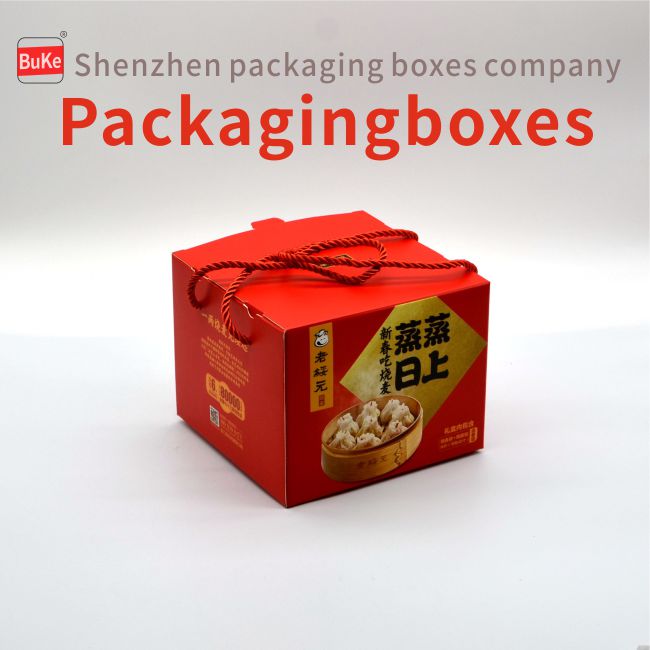
Color Design for Packaging Box Printing
Color plays a particularly important role in packaging design. In the dazzling supermarkets, the first thing that catches the eye is the color of the packaging, so color is an important factor in beautifying and highlighting products.
In the fiercely competitive commodity market, the design and application of color are essential to make products have visual features that are distinct from other products, more attractive to consumers, stimulate and guide consumption, and enhance people's memory of the brand. According to relevant data, consumers' perception of objects is first color, followed by form. Within the first 20 seconds of contact with a product, a person's color perception is 80% and their form perception is 20%. This shows that color has the power to take the lead. Before designing packaging colors, it is important to have a scientific understanding of colors and conduct in-depth research on their functionality, emotions, and symbolism. This can help cultivate the ability to use colors in design.
Therefore, color is an important factor affecting the success or failure of packaging design. Different products have different characteristics and attributes. The color in packaging decoration design should be designed according to the characteristics of the product. It can directly affect people's visual perception, and color also has a certain impact on consumers' psychology. Successful color design often generates pleasant associations, has strong attraction and competitiveness, and can arouse consumers' purchasing desire and promote sales.
For example, food products directly extract fresh ingredients from nature, highlighting the freshness, nutrition, and taste of the food; Commonly used simple cool and warm tones in the pharmaceutical industry; Soft mid tones are commonly used in cosmetics, while blue, black, and other calm color blocks are commonly used in mechanical hardware to represent the characteristics of solidity, precision, and durability; Children's toys often use bright and eye-catching solid colors and various color blocks with strong contrast between warm and cold to meet children's psychology and hobbies; Sports equipment often uses vivid color blocks to increase the feeling of activity and movement. Designers need to study the habits and preferences of consumers, as well as the changing trends of international and domestic popular colors, in order to continuously enhance the sociological and consumer psychology awareness of colors.
Color recognition function
The color language of modern product packaging should strive to highlight the image of the product. Due to the symbolic and cultural characteristics of ethnic colors, color design in product packaging emphasizes and uses more colors that reflect the image of the product, causing consumers to have a cognitive response similar to a signal reaction, quickly determining which product, brand, or company the packaged product belongs to based on color. Therefore, the color design in the packaging aims to highlight the characteristics of the product, strengthen the recognition function, and help consumers distinguish different brands from the dazzling array of goods. In psychology, consumer attention is divided into two types: intentional attention and unintentional attention. When people first come into contact with a certain product, they are mostly unconscious, that is, they do not pay attention. However, when consumers purchase the product again, they will consciously pay attention to the packaging, especially the colors that first touch the visual senses. Therefore, the appropriate use of color in product packaging can deepen consumers' attention and trigger purchasing behavior.

Color Design for Packaging Box Printing


 简体中文
简体中文 繁體中文
繁體中文 English