Common printing techniques, [Buke Printing] introduces to you
Printing and packaging factories introduce common printing processes for you: gluing, binding, hot stamping (gold, silver, etc. colors), die-cutting, indentation, bulging/indentation, punching, marking, etc UV、 Oil polishing, embossing, spot color printing, other processes (folding, pasting, oil coating, gold edge rolling, flocking, waste disposal, tearing lines, etc.)

1. Apply glue. Definition: A printing technology that covers the surface of a printed product with plastic film and uses adhesive to heat and press it together, forming a combination of paper and plastic. (Cover the surface of the printed material with a thin layer of polyethylene film)
Category: Light film, matte film
Features: The surface of the composite film product is bright and expressive, and it is commonly used for printed products; The products with matte film do not reflect light on the surface, are elegant, and are mostly used for image printing.
Scope of application: For paper with a thickness of over 200g, if there are creases in the solid color area, the laminating process must be used
Attention: Paper under 128g with single-sided film coating is prone to curling due to different surface tension on both sides; After applying matte film, the color saturation of the printed product will slightly decrease;
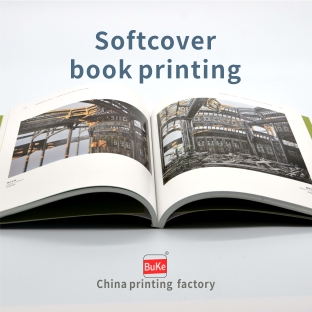
2. Binding. There are five commonly used binding methods: saddle stitch, wireless glue binding, lock wire glue binding, loop binding, and hardcover mounting
2.1 Horse riding nail. Definition: Cover the book with stickers and pages, staple the spine of the book, and cut three sides into a book
Features: Low price, simple process, fast delivery, easy to cross page puzzle
Scope of application: The number of pages in picture books bound with saddle nails should be a multiple of "4", and the binding thickness should be based on 157g copperplate paper, not exceeding 48P. The finished product thickness should be less than 4mm
Attention: When there is a significant difference in weight between the cover and the text, long-term use may cause the cover to easily detach from the binding area
2.2 Wireless adhesive installation. Definition: The book is first pasted in page order and then attached, with the spine glued and the cover attached, and then cut into a book
Features: Low price, beautiful appearance, longer delivery time than saddle nails
Scope of application: Albums bound with wireless adhesive can have a P-number that is not a multiple of 4, and the paper weight should be below 128g.
Attention: It is difficult to open the page and cross page puzzle. If the weight of the paper is high, it is prone to falling off during use
2.3 Lock wire adhesive installation. Definition: The book is first pasted in page order and then attached. It is then assembled into a book core and spine with glue, followed by a cover, and cut into a book
Features: Exquisite binding, high-end, not easy to drop pages, easy to cross page puzzle
Scope of application: The binding thickness is based on 157g copperplate paper, and products with a size of 48P or more should be bound with wire. The thickness of the finished product is not limited
Attention: The most commonly used binding method currently available
2.4 Ring installation (plastic ring, iron ring). Definition: Cut and punch holes on each page of the book, arrange them in page order, and thread them into a book
Features: Durable and sturdy, can be flipped 180 or 360 degrees, and laid flat
Scope of application: The binding thickness is based on 157g copperplate paper, and products with a thickness of 16P or more are suitable for use
Attention: Suitable for frequently flipped calendars, tool manuals, etc
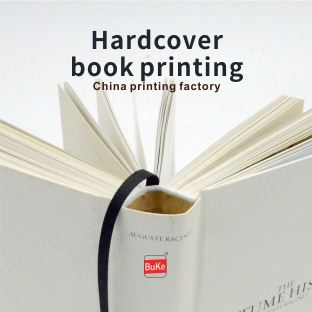
2.5 Hardcover framing. Definition: Cut and paste each page of the book back to back neatly, and paste it on the cover to form a book
Features: Exquisite binding, no shedding of pages, sturdy and durable, no need for splicing across pages
Scope of application: The binding thickness is based on 157g copperplate paper, and products with a thickness of 16P or more are suitable for use
Attention: Using single-sided printing technology, binding time is long, and the cover is usually paired with Dutch board pasting printing paper or binding paper, which is very suitable for recipes, mailboxes, card books, etc., but the cost is high
3. Hot stamping (various colors such as gold, silver, etc.). Definition: The method of hot stamping metal foil onto printed materials using certain pressure and temperature
Features: It has a metallic luster, grandeur, and creates a strong contrast in printed images.
Scope of application: Suitable for very prominent text or logos, often used for samples, greeting cards, invitations, calendars, desk calendars, etc
Attention: Combining with the convex and concave pressing process can produce more significant results; In addition to gold and silver, there are also various colors that can be used, such as glossy, matte, laser light, and gold foil
4. Die cutting. Definition: The process of using a steel knife and steel wire arranged into a template to process printed materials into the required shape under pressure
Features: Can generate anomalies and enhance expressiveness
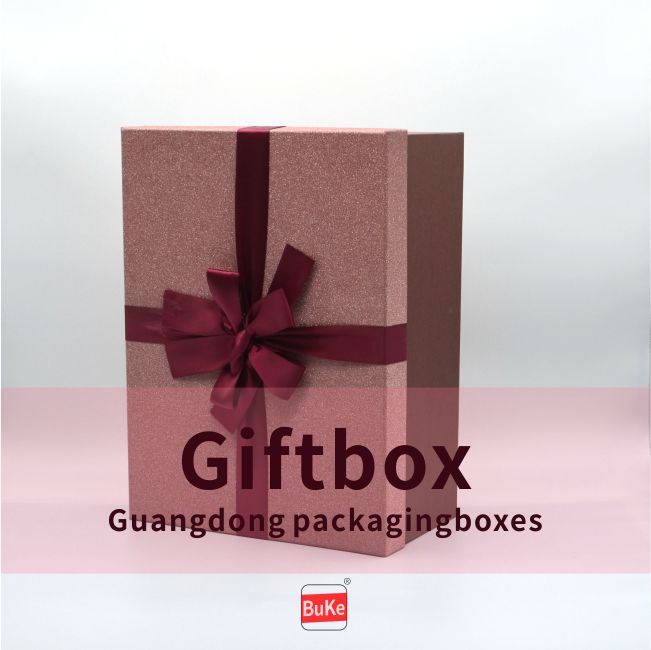
Scope of application: Suitable for products made from paper weighing over 157g, such as stickers, trademarks, gift boxes, related printed art, etc
Attention: Try to avoid patterns and lines that are close to the touch line, as it may exaggerate the touch line error
5. Indentation. Definition: Using a steel knife and steel wire arranged into a template, the surface of printed materials is processed into easily foldable traces under pressure. For paper weighing over 200g, even including printed materials with thick single color ink weighing 157g, when folding, cracks often appear at the folded area, affecting product quality. It can be solved by indentation method. )
Features: For thicker paper, it is easy to fold after indentation, avoiding surface cracks on the paper
Scope of application: Suitable for paper weighing over 200g
Attention: The combination of indentation process and laminating process is necessary to complete the folding of high weight paper
6. Converge/Concave
6.1 Converging. Definition: Using a convex template (male template) to imprint a three-dimensional relief pattern on the surface of a printed material through pressure (the printed material is partially raised, giving it a three-dimensional effect and creating a visual impact) is called convex
Features: Can increase the sense of three dimensionality
Scope of application: Suitable for paper weighing over 200g and high grammage special paper with obvious mechanism
Attention: Combined with hot stamping, local UV and other processes, the effect is better
6.2 Concatenation. Definition: The use of a concave template (concave template) to imprint a relief pattern with a concave feel on the surface of a printed material through pressure (the printed material is partially concave, giving it a three-dimensional effect and creating a visual impact) is called indentation
Features: Can increase the sense of three dimensionality
Scope of application: Suitable for paper weighing over 200g and high grammage special paper with obvious mechanism
Attention: Combined with hot stamping, local UV and other processes, the effect is better. If the concave template is heated and applied to special hot melt paper, it will achieve extraordinary artistic effects
7. Drill holes. Definition: Using relevant equipment to form holes on printed materials through pressure, in order to facilitate binding or coordinate with other processes, commonly known as oil square holes and circular holes. (Punching can make printed materials easier to bind or perform other processes such as threading.)
Characteristics: Strong specificity, mostly used for hanging tags, document binding, etc
Scope of application: Suitable for paper of various thicknesses
Attention: If the punching position is too close to the page margin, it is easy to tear after threading the rope
8. Number it. Definition: A process that uses relevant equipment to print various numbers onto printed materials for special purposes such as searching
Features: Easy to distribute, register, and search
Scope of application: Mostly used for coupons, tickets, tickets, etc
Attention: Generally, in conjunction with the mounting process, the printed materials are temporarily classified in numerical order
9. UV (UV glue). Definition: A special process of fully or partially curing ultraviolet light glue on the surface of printed materials
Features: Able to present various artistic effects on the surface of printed materials, making them more exquisite
Detailed classification: Thickened UV, Matte UV, Colorful UV, Glass Beads, Sprinkle Colorful Powder
Scope of application: book and magazine mounting, envelopes, covers, calendars, high-end packaging, handbags, etc
Attention: If using on film UV, a UV specific film is required, otherwise UV may easily peel off, bubble, and peel off. It is better to use special processes such as bulging and hot stamping for better results
10. Spot color printing. Definition: Forming a special color requirement by adjusting the ink ratio (which is difficult to achieve through four-color printing), or purchasing Pantone ink to meet a customer's specified color printing
Characteristics: Spot color printing has saturated colors and no dots, and its colors are far beyond what four-color mixing can achieve
Scope of application: Colors specified by customers for identification, signage, VI standard colors, etc
Attention: Before printing, it is necessary to provide a spot color ticket for color tracking, preferably with specific color values
11. Other processes
11.1 Folding. Fold a horizontally or vertically unfolded print to create a beautiful fold, enhancing readability and portability
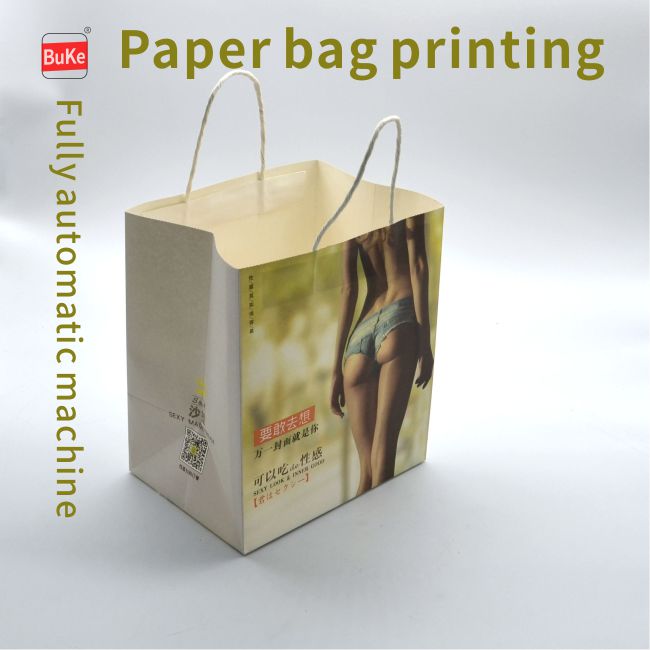
11.2. Pasting. Form certain parts of the product into the desired shape through adhesive methods, such as envelopes, file bags, packaging boxes, envelopes, and tote bags
11.3. Plucking. The process of applying glue locally on printed materials to fix fine fibers has a special effect and outstanding hand feel
11.4. Waste disposal. After die-cutting the adhesive, remove the excess parts of the product, leaving the genuine product for easy access
11.5. Tear off the thread. After die-cutting, rows of fine holes are left on the printing surface for easy tearing, such as the connection between the front and back coupons of stamps, tickets, and discount coupons
11.6. Roll the gold border. The process of using golden materials and special tools to heat and color the cut edges of books, notebooks, and cards is to present a layer of shiny golden color on the cut edges of books or notebooks
Common printing techniques, [Buke Printing] introduces to you



 简体中文
简体中文 繁體中文
繁體中文 English