The specific application of packaging box color
(1) Based on the attributes of the product
The color on the packaging is the most visually active factor. The color attribute of the product on the packaging refers to the color tendency or attribute color tone of different products. In order to distinguish the different functions and properties of similar products, it is often necessary to use color recognition. The cognition and memory acquired by people in daily life form the image and color of different products, and the color and image of products directly affect consumers' judgment of product content. Therefore, the grasp of color imagery is very important in packaging design.
There are significant differences in colors between different products. Generally speaking, there are different sensations between visual and gustatory senses in food. For example, the packaging color of pastry food is often yellow because it promotes appetite; Pure water and other beverages are packaged in blue because it makes people feel cool. The packaging of coffee, highlighted by its strong brown flavor; The taste conveyed in yellow is light; The mellow taste reflected in red... It can be seen that color has a certain impact on the quality of the product. If the packaging designer uses it properly, it can not only create a spiritual understanding between the product and the consumer, but also make the buyer feel comfortable. The image color of the product is reproduced in the packaging color using the color of the product itself. We can reflect it from the names of some colors. Orange yellow, orange red, peach red, lemon yellow, etc. named after fruits, such as grass green, coffee, tea, rose red, etc. named after plants; Goose yellow, peacock blue, mouse gray, etc. named after animals; In addition, there are also sky blue, milky white, bronze, and so on. Directly applying the inherent image color of the product to the packaging will provide consumers with clear information, such as milk powder packaging that can be milky white; Lemon drinks can be selected from lemon yellow and other options. The use of the color of the product itself can most give people the association of the same origin of goods, increase the intuitive expression ability of the product, and make people have the desire to purchase.
(2) According to the target consumer
Each product is targeted at a specific consumer group, so it is particularly important to position and design packaging based on the target consumer, including color design in packaging. Different groups of consumers also have certain differences in their preferences for colors, and their likes and dislikes of colors often vary greatly due to differences in age, gender, culture, occupation, and environment. According to some surveys, children tend to enjoy lively activities and prefer high-purity warm colors the most; When you grow up and mature, and can start to view life calmly, you need a cool tone to balance your mentality. Different colors not only express different emotions and feelings, but also show a person's different perspectives, personalities, etc; So color preferences will change with age, just like fruits. Flowers just bear white, light yellow, then light green, dark green, and then yellow, red, purple, and so on. Regarding the frank expression of color preferences, many people believe that women prefer warm colors and men prefer cool colors, but this is mainly based on the associations that colors themselves bring to people: warm colors are sensually gentle and have feminine qualities; Cold rationality appears resolute and full of masculine traits. So, when it comes to gender differences in color, this is a principle that should be followed more or less in design
(3) According to regional customs
Different regions have different colors, which reflect the cultural characteristics of a region and are closely related to its cultural history. The use of colors should fully consider the different color habits and symbols of each region. Applying it to modern packaging design can reflect the strong regional culture and ethnic characteristics of the product, especially for products rich in regional features. The Eastern colors represented by our country have a strong decorative packaging style. The overall style is modern, with rich colors and strong visual impact, highly personalized and differentiated, giving Hejiu more "highlights" that meet the aesthetic and consumption needs of the new generation of consumers. The "five colors" in traditional Chinese colors, based on black and white, reflect the dialectical thinking characteristics of the "yin-yang view" of color. The yin-yang view of color originated from Taiji yin-yang, which means "the intersection of two qi produces all things". The traditional Chinese concept of five colors is formed by adding the three primary colors of red, yellow, and cyan to black and white as the basis. The five colors correspond to the five directions and have a strong symbolic meaning. The so-called Eastern Tai Hao, whose color belongs to green, is therefore called the Qing Emperor, who is in charge of the spring season; In the south, Emperor Yan belongs to the Fire and is red in color, hence he is called the Red Emperor to govern the summer season; The Yellow Emperor, who resides in the midst of the world, is of yellow color and dominates the four directions; The Western scholar Shaowu, whose color belongs to white, is therefore called the White Emperor and is in charge of the Golden Autumn period; Zhuanxu from the north, whose color is black, is called the Black Emperor to govern the winter season. Thus endowing the five colors with special cultural connotations. If modern color concepts are used to analyze the concept of five colors, the five colors can be decomposed into three primary colors (red, yellow, blue) and two polar colors (black and white). This is the most basic color that constitutes a three-dimensional color system.
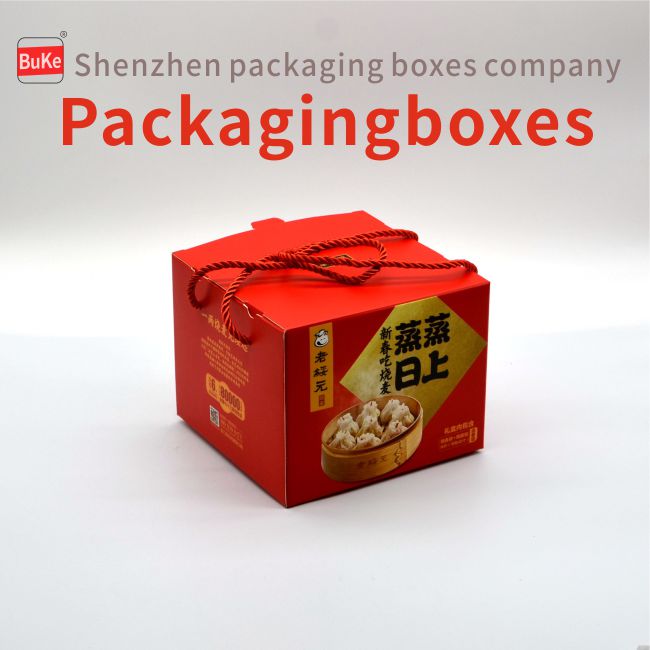
From this, it can be seen that even if modern color concepts are used to measure the concept of five colors, it is still a very scientific method. Different countries, ethnic groups, and regions, due to differences in society, politics, economy, culture, education, and lifestyle, exhibit varying interests, hobbies, and preferences for colors and regional characteristics. The Chinese nation is a people who dress in blue and celebrate in red. The Chinese have the longest history of using red, and the folk's preference for red is related to the worship of primitive ethnic groups in our country. Red has the longest physical property of wavelength, and its color tension has a strong stimulating effect on people's optic nerves. Throughout history, red has long influenced the national customs of our country with its meanings of brightness and righteousness, fortitude and strength.
The traditional Chinese color system is mainly based on the "five colors", creating a color scheme centered around different main tones. The color configuration based on two colors is an important feature in the traditional Chinese color application system. The most representative ones include blue and white in blue and white porcelain, indigo and white in wax printing, red and black in Han Dynasty porcelain, and black and white in Chinese painting. The two-color color scheme has been clearly expressed, giving people a vivid and infectious feeling. Two colors may seem simple, but they can create a variety of decorative effects, becoming a traditional Chinese color matching method. This type of color matching technique should be borrowed and applied in modern packaging color design. As a part of culture, understanding the likes and dislikes of colors in different regions can help us seek benefits and avoid harm when using colors. When packaging export goods, appropriate colors should be selected based on the cultural characteristics and customs of various countries around the world.
Different countries have different reactions to colors. Japan dislikes green and prefers red and white; Switzerland, Egypt, Austria, Türkiye and other Islamic countries like green, and think that it can drive away diseases and eliminate pathogens Belgium and Bulgaria hate green; Americans prefer bright colors and avoid using purple; Brazil considers purple as sadness; The French consider bright colors as noble; Switzerland uses black as its mourning color and prefers red, gray, blue, and green; Danes consider red, white, and blue as auspicious colors; The Dutch consider orange as a lively color, and orange and blue represent national colors, among others. Therefore, it is crucial to understand the taboo colors of packaging products in exporting countries. For a considerable period of time, the red firecrackers exported from China to Germany were unable to generate sales and the products were unsold. After conducting market research, Chinese export enterprises changed the packaging paper and materials on the surface of firecrackers to gray, resulting in a sharp increase in firecracker sales volume. To gain an absolute advantage in industrial competition, one must adapt to local customs, cater to their preferences, and avoid their dislikes. Therefore, the use of packaging colors must be based on the characteristics of modern social consumption, the attributes of goods, consumer preferences, and the trend of international and domestic popular color changes, so as to make the color consistent with the direction of the product's demand, and thus more effectively promote the sales of the product.

The specific application of packaging box color



 简体中文
简体中文 繁體中文
繁體中文 English